

Add Row
Add Element
Defend Freedom Media logo
update
Firearms news, training and
advocacy defending 2A rights.
update
Add Element
  • Home
  • Profiles
  • Categories
    • Gun Rights & 2A News
    • Firearms Reviews & Gear
    • Gun Owner Training & Safety
    • Concealed Carry & Self-Defense
    • Hunting & Outdoors
    • Industry News & Innovations
    • Community & Culture
October 17.2025
2 Minutes Read

Exploring California's Glock Ban: A Legal Battle Over Second Amendment Rights

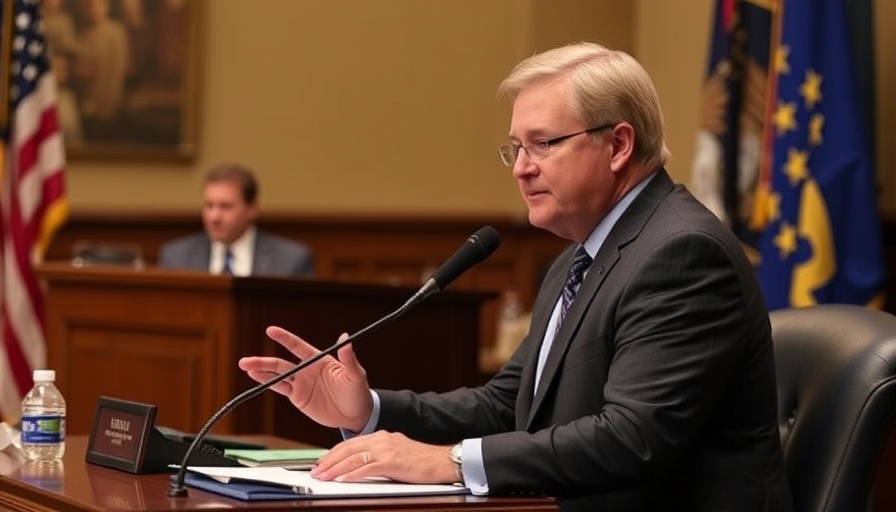
CCRKBA HAILS NEW CAL LAWSUIT, SAYS NEWSOM HAS ‘HANDGUN DERANGEMENT SYNDROME’

California Governor's Glock Ban Under Fire

California’s latest gun control law, Assembly Bill 1127, has ignited fierce debates across the state. The law, signed by Governor Gavin Newsom, prohibits the sale or transfer of Glock firearms—a staple for many gun owners. This legislation has raised eyebrows among Second Amendment advocates, who argue it infringes on their constitutional rights.

The Lawsuit Response

The Citizens Committee for the Right to Keep and Bear Arms (CCRKBA) is keeping a close watch on a new federal lawsuit challenging this ban. Although the CCRKBA is not directly involved as a plaintiff, its chairman, Alan Gottlieb, stated, "The court has already indicated that several provisions of the Unsafe Handgun Act likely violate the Second Amendment." This current lawsuit may sound alarms for Newsom, implying that the court system could soon strike down this latest legislative effort, akin to previous cases like Renna v. Bonta.

Public Sentiment on Gun Rights

Amidst the backlash, many California gun owners express feelings of frustration and betrayal. Longtime supporters of the second amendment see the legislation as not just an infringement on their rights but also a blatant disregard for judicial precepts. Organizations like the National Rifle Association (NRA) and Firearms Policy Coalition (FPC) are taking legal action to protect these rights, highlighting the growing tension between public safety narratives and individual freedoms.

Political Climate and Implications

Critics of Governor Newsom's decision argue that measures such as AB 1127 only serve to alienate law-abiding gun owners while failing to address the root causes of crime. Newsom and other Democrats have faced accusations of pursuing a political agenda rather than a public safety initiative, with voters increasingly frustrated by perceived overreach and restrictions on personal freedoms.

Understanding the Broader Context

This legal battle comes on the heels of changing perspectives on gun control at national and local levels. Recent Supreme Court rulings have reinforced the notion that gun rights are essential in American culture, creating a legal precedent that challenges restrictive measures. The courts are now at the forefront, and outcomes in California could set significant precedents across the country, prompting voters to reassess their leaders' stances on gun policy.

As this story unfolds, the implications stretch beyond California’s borders into the national arena. Citizens must remain vigilant and engaged in these discussions, recognizing the necessity to uphold their rights in the face of changing legislations.

Gun Rights & 2A News

0 Views

0 Comments

Write A Comment

*
*
Related Posts All Posts
02.25.2026

Patriots Can't Be Silent: The Urgency of Speaking on Gun Rights

Update The Silent Majority: Why Patriots Must Speak Up The idea that the "silent majority"—those who support gun rights yet refrain from expressing their views—can afford to stay quiet is increasingly being contested. In a society where the Second Amendment is more than just a statement, it represents a pivotal part of cultural identity for many. Ignoring this identity by remaining silent dilutes its importance and can even lead to misrepresentation in the public sphere.In '2A PATRIOTS CAN'T BE THE SILENT MAJORITY,' the conversation highlights the need for active participation in advocating for gun rights, leading us to explore why engagement is crucial for the Second Amendment community. Understanding the Landscape of Gun Rights The debate surrounding the Second Amendment has intensified in recent years, with various movements advocating both for and against gun rights. Supporters argue that responsible gun ownership is essential not just for self-defense but also for preserving freedom. The implications of this are profound: the more patriots who engage in advocacy and discussions, the clearer the narrative surrounding gun rights will become. Examples of Voices Making an Impact Public figures from various realms, including athletes and advocates, are stepping up to vocalize their commitment to the Second Amendment. People like former NFL player J.J. Watt and current MLB stars have begun to use their platforms to emphasize personal rights, impacting fans and communities alike. This trend might inspire others to break their silence, advocating not just for personal rights, but also for the cultural significance of those rights. The Importance of Community Engagement Community conversations about gun rights foster a culture where it's acceptable to express differing opinions. By encouraging discussions at local levels—like town halls or community forums—people can bridge divides and deepen understanding. This engagement not only empowers individuals but also strengthens collective identity among supporters of the Second Amendment. Considering Future Trends and Predictions As societal norms continue to evolve, the landscape of gun rights will likely shift as well. Predictions suggest that as more individuals express their views publicly, the narrative will shift from merely defending rights to actively promoting responsible citizenship and safety in gun ownership. This change in tone can transform how gun rights are perceived both in media and among politicians. Decisions and Actions for Patriots It’s clear that merely existing as a supporter of the Second Amendment carries responsibilities. Engaging in dialogue, dispelling common misconceptions, and participating in local advocacy are crucial steps to ensure that the views of patriots are represented fairly in broader discussions. For those invested in protecting their rights, now is the time to rise and be heard. As Vanessa King emphasizes in her insights, the conversation around the Second Amendment is vital. By stepping into the fold rather than remaining a silent entity, individuals can foster a rich, informed community that celebrates and protects their freedoms.

02.21.2026

Florida's Evolving Gun Laws: Nondangerous Felons Retain Rights

Update The Shift in Gun Rights for Non-Dangerous Felons in Florida Florida's legal landscape is undergoing a remarkable transformation when it comes to the gun rights of non-dangerous felons. In recent months, significant discussions and rulings, spearheaded by key legal figures, have put the spotlight on the rights of those who have committed non-violent offenses to reclaim their Second Amendment freedoms. This shift in narrative raises questions about the balance between public safety and individual rights. Understanding the Restoration Process In Florida, non-violent felons may now have a path to restore their gun rights — a process governed strictly by state laws. The steps include completing one's sentence, including incarceration and probation, and waiting eight years after completion to apply for clemency. This clemency serves as a vital step in granting them the right to possess firearms again, given they meet all eligibility criteria. The process does not stop at just applying for clemency. Once submitted, the application is reviewed thoroughly, including background checks and possibly an interview with the Florida Commission on Offender Review. Only after a careful evaluation does the Clemency Board make its final decision, weighing the applicant's behavior and rehabilitation alongside public safety considerations. Recent Developments: Court Responses and Legislative Changes A recent high-profile case led by Florida Attorney General James Uthmeier has further fueled the conversation around gun rights. Attorney General Uthmeier publicly supported the concept that the lawmakers may have overreached in denying firearm possession rights to non-dangerous felons. His statement emphasizes adherence to constitutional rights and expresses that the previous conviction of individuals, like Christopher Morgan—a non-violent offender—should not impede their Second Amendment rights. Notably, Uthmeier's response reflects a broader sentiment and mounting evidence suggesting that the indiscriminate denial of gun rights for all felons lacks historical justification. This push towards acknowledging non-violent felons' rights is gaining traction as the state looks to amend its existing laws, now considering legislation to reduce the waiting period from eight to five years and to streamline the application process. Addressing Concerns: Balancing Rights and Public Safety The evolving discussion also raises pertinent questions about public safety. Many advocates highlight the importance of ensuring that firearm rights are not restored to individuals who could pose a danger; thus, the eligibility criteria and the rigorous clemency process become crucial safeguards. Critics, on the other hand, worry about the potential risks associated with restoring rights too eagerly without adequate oversight. Eric Friday, general counsel for Florida Carry, Inc., noted that while the current clemency process faces criticism for its inefficiency, it remains the only means for many in Florida to regain their rights. The proposed changes could herald a significant change, making the restoration process more accessible and less bureaucratic. Next Steps: What Lies Ahead for Gun Rights in Florida As these discussions continue, it is essential for stakeholders and the public to track developments closely. The implications of these changes can transform lives, potentially allowing many non-violent felons to reclaim their rights and participate openly in society once more. An informed public can help shape the ongoing dialogue around public safety, legislative action, and the restoration of civil liberties. In a state increasingly willing to reconsider its stance on gun rights for non-dangerous offenders, it could pave the way for a more inclusive legal framework that honors both constitutional rights and public safety. Floridians should stay engaged with these developments, reflecting on what it means for justice in their communities. As change unfolds, sharing thoughts on these pressing issues can contribute to a richer discussion surrounding gun laws in America.

02.21.2026

The Stakes of Non-Engagement for Pro-2A Voters: What You Need to Know

Update The Crucial Role of Engagement in Pro-2A Voter Dynamics In today's rapidly evolving political landscape, disengagement can have dire consequences, especially among pro-2A voters. The recent video titled What happens when pro-2A voters don't stay engaged serves as a stark reminder of the stakes involved. As advocacy for Second Amendment rights continues to fluctuate, understanding the impacts of voter interaction—or lack thereof—becomes paramount.In What happens when pro-2A voters don't stay engaged, the discussion emphasizes the need for active participation among voters to protect their rights, prompting a deeper analysis of this critical issue. What Drives Pro-2A Voter Disengagement? Many pro-2A voters find themselves trapped in an echo chamber of frustrations and complacency. The belief that gun rights are secure can often lead to apathy during elections. However, a lack of participation can create a domino effect, undermining years of advocacy work and putting vital rights at risk. Consequences of Disengagement: An In-Depth Look When pro-2A voters decide not to engage, they unintentionally empower opposing forces. Low voter turnout can lead to elected officials who may not prioritize the rights and values that matter most to this community. Policies may shift dramatically, impacting legislation governing firearms, safety regulations, and even hunting rights—issues that many rely on for personal freedom and livelihood. Empowering Communities: The Importance of Staying Informed Staying engaged isn't just about exercising your vote; it’s also about fostering informed discussions in your community. By arming yourself (pun intended) with knowledge about local and national implications regarding gun laws, you ensure that your voice is heard. This level of awareness can serve as a powerful countermeasure against misinformation and political suppression. Taking Action: How to Get Involved Engagement can take many forms. Whether it’s participating in local town hall meetings, joining advocacy groups, or simply discussing key issues with friends and family, every action counts. Pro-2A voters should view their involvement like a strategic play in sports; every move can change the course of the game, making it critical to be proactive. What Lies Ahead for Pro-2A Advocacy? The future of pro-2A movements rests heavily on the shoulders of active participants. With shifting political landscapes and varying public perceptions, those who stand for Second Amendment rights must continue to adapt and advocate for their beliefs. Will complacency lose ground, or will active engagement foster a new generation of pro-2A advocacy? Enhancing your understanding of these dynamics is not just a matter of personal interest; it’s about protecting a fundamental right that many hold dear. With education and active participation in the movement, pro-2A advocates can thwart potential restrictions before they arise. In summary, vigilance over gun rights demands more than mere acknowledgment; it necessitates robust engagement. As we analyze the implications of disengagement from the video, we invite you to reflect on your role and take active steps towards advocating for your rights.

Terms of Service

Privacy Policy

Core Modal Title

Sorry, no results found

You Might Find These Articles Interesting

T
Please Check Your Email
We Will Be Following Up Shortly
*
*
*