
Defend Freedom Media logo
update
Firearms news, training and
advocacy defending 2A rights.
update
  • Home
  • Profiles
  • Categories
    • Gun Rights & 2A News
    • Firearms Reviews & Gear
    • Gun Owner Training & Safety
    • Concealed Carry & Self-Defense
    • Hunting & Outdoors
    • Industry News & Innovations
    • Community & Culture
September 11.2025
2 Minutes Read

Transform Your Shooting Skills: Embrace One-Handed Training

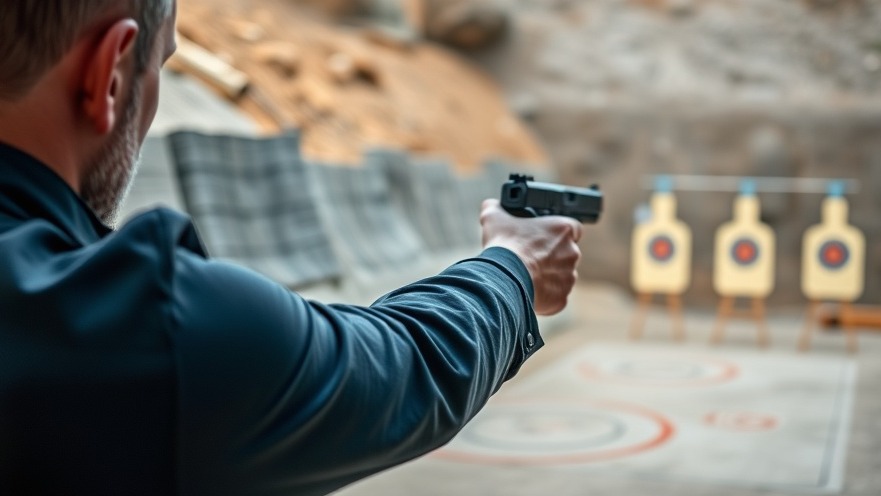
Man practicing firearm self-defense techniques, shooting one-handed at a target.


Mastering the Art of One-Handed Shooting

Life can indeed throw unexpected challenges our way, from managing everyday tasks to facing potential threats. This is why honing our skills in one-handed shooting is not just a helpful tactic, but a critical necessity for firearm users. By training to shoot accurately and effectively with only the dominant hand, we prepare ourselves for scenarios where the other hand may be occupied – whether it's holding a flashlight, guiding a child, or defending against an immediate danger.

Why One-Handed Skills Matter More Than You Think

Developing confidence in using only your dominant hand can profoundly impact your overall shooting ability. Imagine a situation where you only have one hand available. Your confidence in handling your weapon in such moments will directly influence your effectiveness. This type of preparation is not merely about adding another skill to your toolkit; it's about building a strong foundation for all your shooting techniques, ultimately making you more versatile and self-assured.

Building Confidence through the Strong Hand Drill

The "Strong Hand Confidence Builder" drill is an excellent method for enhancing grip endurance, trigger control, and sight stability while firing with the dominant hand only. Here's how to approach it:

  • Equipment Needed: Pistol and holster, 1–2 magazines loaded with rounds, a silhouette target, and a shot timer.

  • Starting Position: Begin at 3 yards, holstered with hands at your sides.

  • Execution: Draw your gun using just your dominant hand, ensuring muzzle discipline followed by firing two shots, then resetting for another two shots, repeating until your magazine is empty.

The goal is to keep all your shots within a designated target area while building familiarity and competence under minimal time pressure.

Challenge Yourself to Overcome Obstacles

Set performance benchmarks. Start without a time limit, focusing solely on accuracy. Once you're comfortable, introduce a par time of three seconds for drawing and shooting the first two shots. This progressive approach allows you to build both confidence and control, gradually increasing your distances as you improve. Remember, every drill you practice enhances your performance level and situational readiness.

The Ripple Effect of Confidence

Confidence in your abilities has a ripple effect; when you excel at one-handed shooting, your two-handed skills will naturally improve. You become a more capable shooter in all aspects of your training and field performance, paving your path towards impeccable self-defense readiness. It's all interconnected. Preparing for potential complications today makes you more resilient tomorrow.

Join the Movement of Empowered Shooters

Ultimately, endeavors like this one foster a culture of safety, skill, and confidence among women in firearms training. Training not only serves the purpose of self-defense but also instills a sense of empowerment in individuals and communities. Embrace the challenge of one-handed shooting – it may just transform you into a proficient shooter ready for anything life throws your way.


Gun Owner Training & Safety

41 Views

0 Comments

Write A Comment

*
*
Please complete the captcha to submit your comment.
Related Posts All Posts
05.23.2026

Mag Dumps vs. Training: Exploring the Best Strategies for Firearm Proficiency

Update The Debate Between Magazine Dumps and Training: A Look into Firearm Proficiency In the world of firearms enthusiasts, there's a notable division regarding the effectiveness of certain shooting practices. On one end of the spectrum, some advocate for what's known as magazine dumps, which involves rapidly firing off rounds from a single magazine. On the other hand, many emphasize the importance of traditional training methods that focus on accuracy and control. This ongoing debate highlights not just personal preferences, but also larger questions about safety, responsibility, and the purpose of firearm usage.In MAG DUMPS vs TRAINING - VOTE NOW!, the discussion dives into the contrasting strategies for firearm practice, exploring key insights that sparked deeper analysis on our end. Historical Context: Firearms Training Evolution Historically, firearms training has evolved significantly, reflecting changes in technology, society, and legal frameworks. In earlier decades, military training focused predominantly on marksmanship, preparing soldiers not only to shoot but to shoot accurately under pressure. As civilian firearm ownership grew, this need for proficiency translated into the civilian sphere, where training became essential for responsible gun ownership. However, some modern practices like magazine dumps have emerged, challenging the traditional paradigms of training. Understanding the Risks: The Dangers of Magazine Dumps While the thrill of magazine dumps can be exhilarating, it poses certain risks that shouldn't be overlooked. Firing multiple rounds in quick succession may create an environment where control is compromised, leading to unintended consequences. Moreover, the absence of deliberate practice and focus on accuracy can lead to the perpetuation of bad habits among novice shooters. Safety must always be a priority, and this highlights the significance of structured training that prioritizes shooting fundamentals. Future Insights: Where Firearm Training Is Headed As technology advances, so too do the methods of firearms training. Innovations like virtual reality and simulation-based training environments are being explored, and these can provide both fun and safety-conscious ways to practice. Furthermore, as societal attitudes towards firearms evolve, especially among younger generations, there will likely be an increasing push for more comprehensive and responsible training programs that encompass safety, legality, and real-world applications. Emotional Connection: The Culture of Firearm Enthusiasts At the heart of the magazine dump versus training debate is a passionate community that values various aspects of firearm ownership. For many enthusiasts, firearms symbolize freedom, heritage, and self-protection. Understanding this emotional connection can provide insights into why some people may lean towards rapid-fire practices—it's not just about shooting; it's about identity, camaraderie, and a shared passion for the culture that surrounds firearms. Practical Insights: Enhancing Your Firearming Skills If you're part of the shooting community, finding a balanced approach to practice is crucial. Consider dedicating time to both drills that promote accuracy and those that allow for rapid fire, ensuring you stay well-rounded as a shooter. Engaging with local shooting ranges that offer structured training sessions can provide valuable experience and feedback, ultimately making you a more responsible firearm user. In conclusion, whether you lean towards magazine dumps or prioritize training, the dialogue surrounding effective shooting practices deserves attention. Each method has its merits and drawbacks, underscoring the need for a thoughtful, informed approach to firearms proficiency. Embracing both sides of the argument can lead to richer conversations about how to best use firearms safely and effectively within our communities.

04.28.2026

Holsters 101: What Many Gun Owners Get Wrong About Selection

Update The Importance of Choosing the Right Holster For many gun owners, the importance of a good holster cannot be overstated. The video titled "Ep. 180 | Holsters 101: What Many Gun Owners Get Wrong" delves into common misconceptions around holster selection that can affect not just comfort, but safety and accessibility as well. Contrary to what some believe, a holster is not merely an accessory; it’s a critical component of responsible gun ownership.In "Ep. 180 | Holsters 101: What Many Gun Owners Get Wrong", the discussion dives into crucial insights on holster selection, encouraging a deeper analysis on responsible gun ownership. Myths and Misunderstandings About Holsters One of the significant points raised in the video is that many gun owners make the mistake of selecting a holster based solely on appearance. While aesthetics can be appealing, they should not overshadow functionality. A good holster should fit both the firearm and the user, providing easy access while ensuring security. Brent Hickmon emphasizes that the best holsters wrap the firearm securely while offering a comfortable fit that allows for daily wear. Material Matters: Choosing the Right Fabric In the discussion, Hickmon highlights the importance of choosing the right materials for a holster. Leather, Kydex, and other synthetic options each have their advantages and disadvantages. While leather might offer a classic feel, Kydex is often lauded for its durability and ease of cleaning. Understanding these materials can greatly influence a gun owner’s experience, particularly in terms of comfort during extended wear and resilience in various conditions. The Role of Fit in Holster Performance When talking about fit, Hickmon notes a common pitfall: “One size fits all” holsters are often inadequate. Holsters that are tailored for specific firearms are vital for ensuring that the weapon is snug but not overly tight, allowing for a smooth draw when needed. An ill-fitting holster can result in difficult handling or, even worse, accidental discharge during attempts to draw. Accessibility Versus Concealment Accessibility is another critical element discussed in the video. Hickmon considers how a holster must allow the user to access their firearm efficiently while still favoring concealment. Gun owners often struggle with this balance, particularly in terms of garment choices suitable for concealment. A holster that’s easy to access helps mitigate risks during encounters, especially in high-stress situations. Bringing It All Together: Making Informed Choices In sum, the video titled "Holsters 101" uncovers many overlooked factors that should guide a gun owner's holster purchase. Addressing misconceptions, focusing on material, fit, and accessibility can lead to a safer and more satisfying experience for gun enthusiasts. By taking a thoughtful approach to holster selection, gun owners can enhance their understanding and practice of responsible firearm use. If you are considering a new holster, take the time to research and test various options. Your safety, comfort, and readiness depend on making informed decisions when it comes to the accessories you choose for your firearms.

04.06.2026

Don't Fail with Your Gun: Empowering Responsible Gun Ownership

Explore responsible gun ownership, key safety principles, legal aspects, and community roles in enhancing gun safety.

Terms of Service

Privacy Policy

Core Modal Title

Sorry, no results found

You Might Find These Articles Interesting

T
Please Check Your Email
We Will Be Following Up Shortly
*
*
*